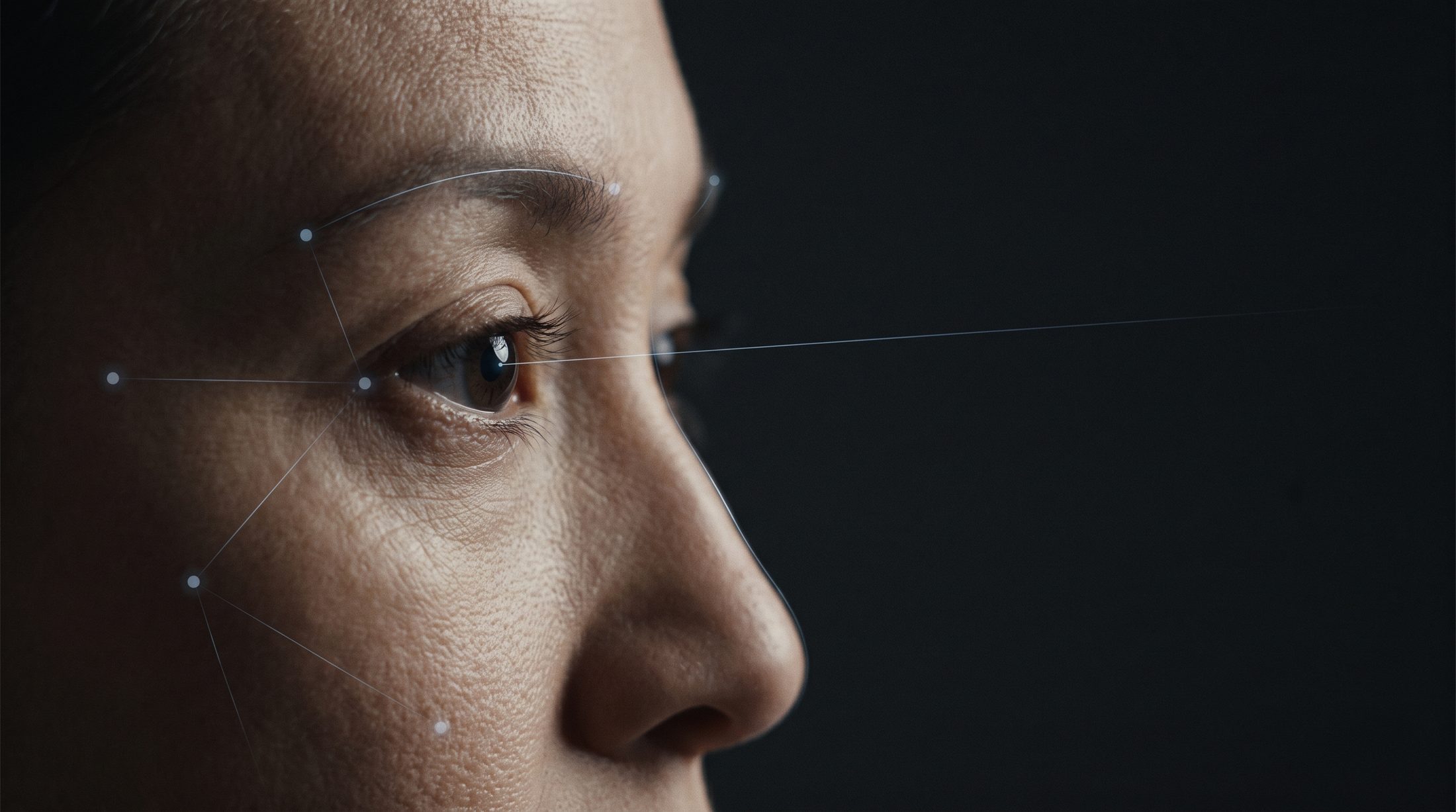
01 — Perception
Understanding people, objects and environments.
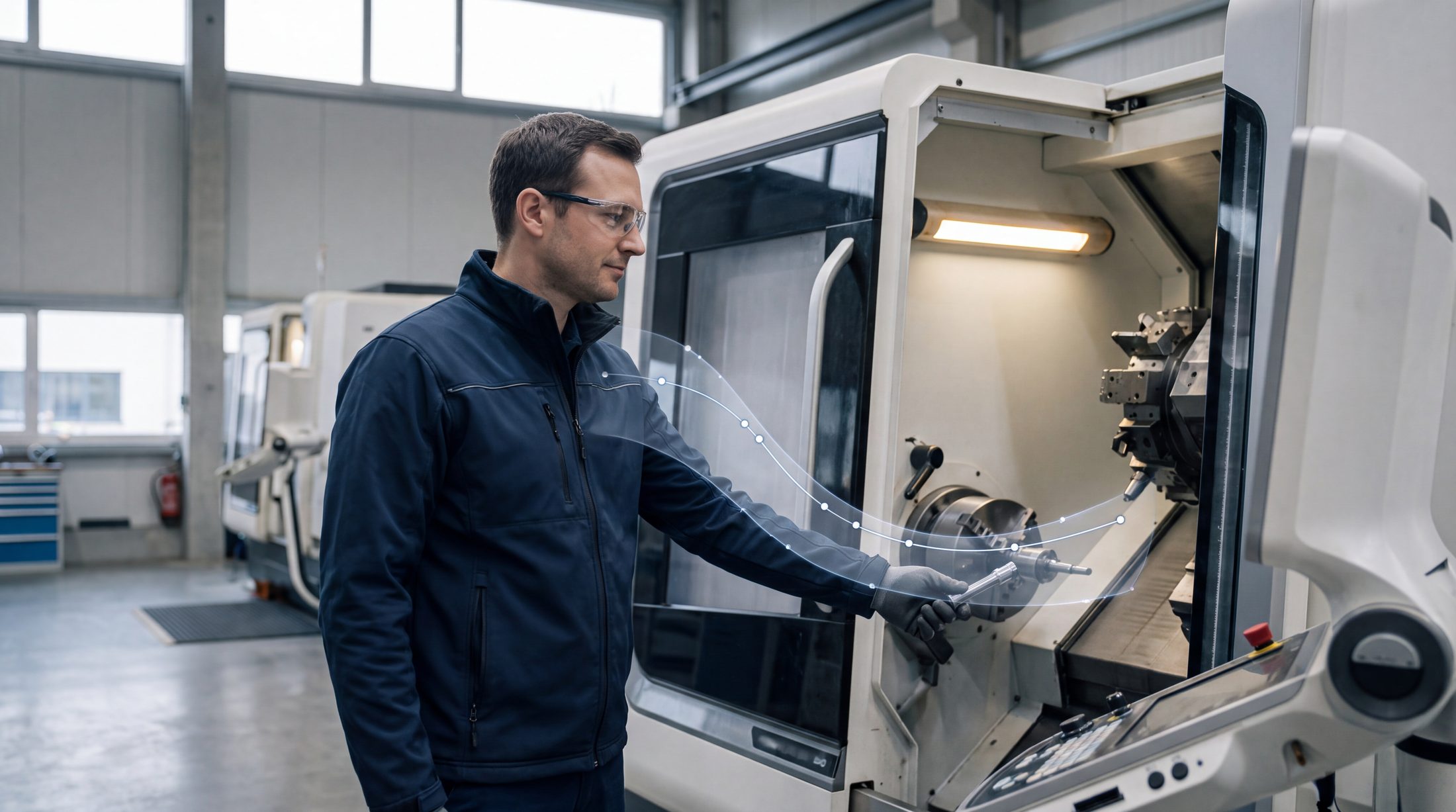
Computer vision and sensing that resolve a scene the way a person would: who is present, what is around them, and how the space is structured.
A European AI holding company
Intenro acquires and builds AI companies advancing human–machine intelligence — from perception and interaction to the prediction of human intent.
For decades, humans learned how to communicate with machines. We adapted to keyboards, screens and command structures, and we called the result an interface.
The next era reverses that relationship. Machines are beginning to perceive human behaviour, understand context, and anticipate what we intend to do next.
This is not a faster interface. It is a different class of system — one that models the person, not the input. Intent becomes readable milliseconds before action, and the machine's response begins before the instruction arrives.
That transition creates an entirely new category of intelligence, and a generation of companies capable of owning it. Intenro exists to bring those companies together.
Four capabilities compound into one system. We invest across all of them, and integrate them deliberately.
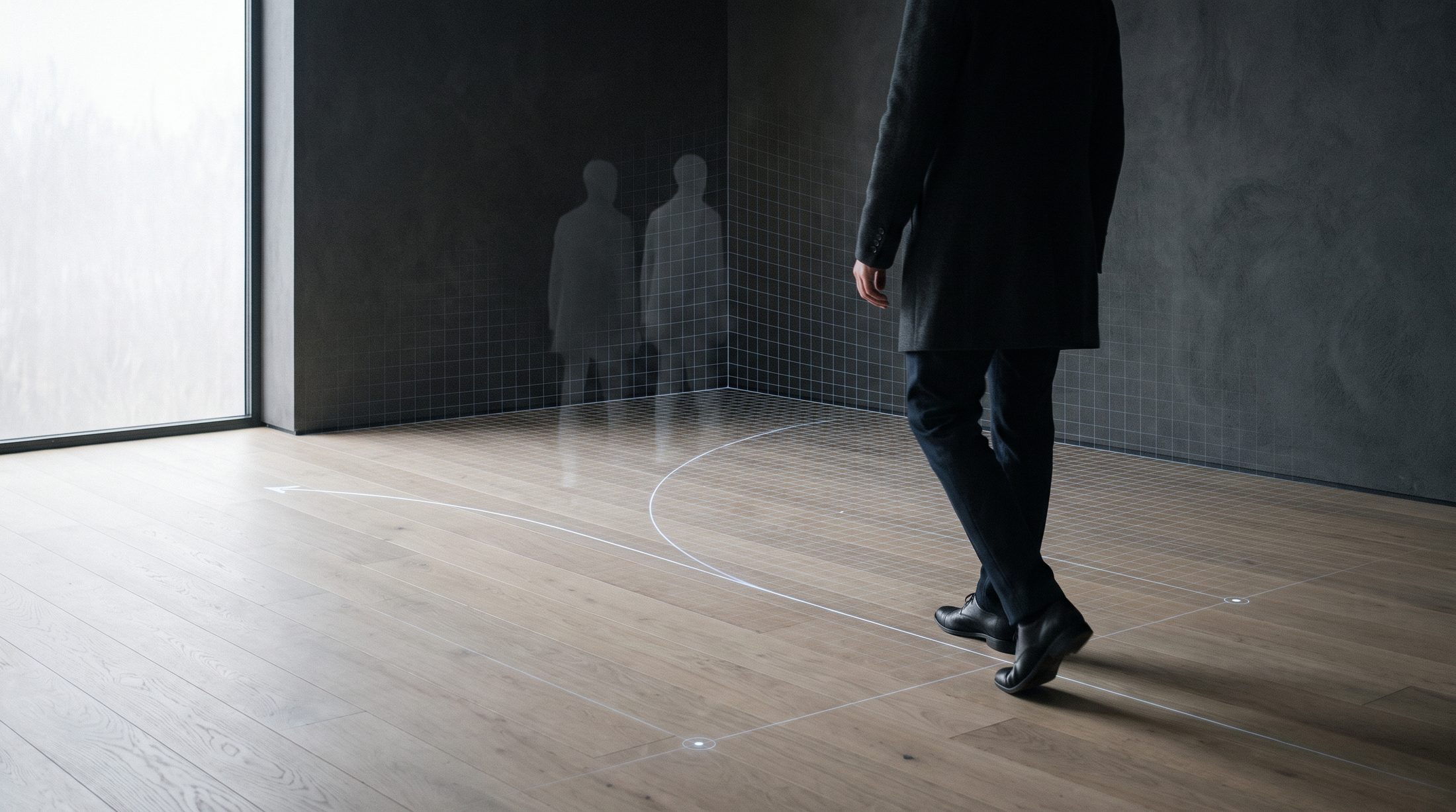
Computer vision and sensing that resolve a scene the way a person would: who is present, what is around them, and how the space is structured.
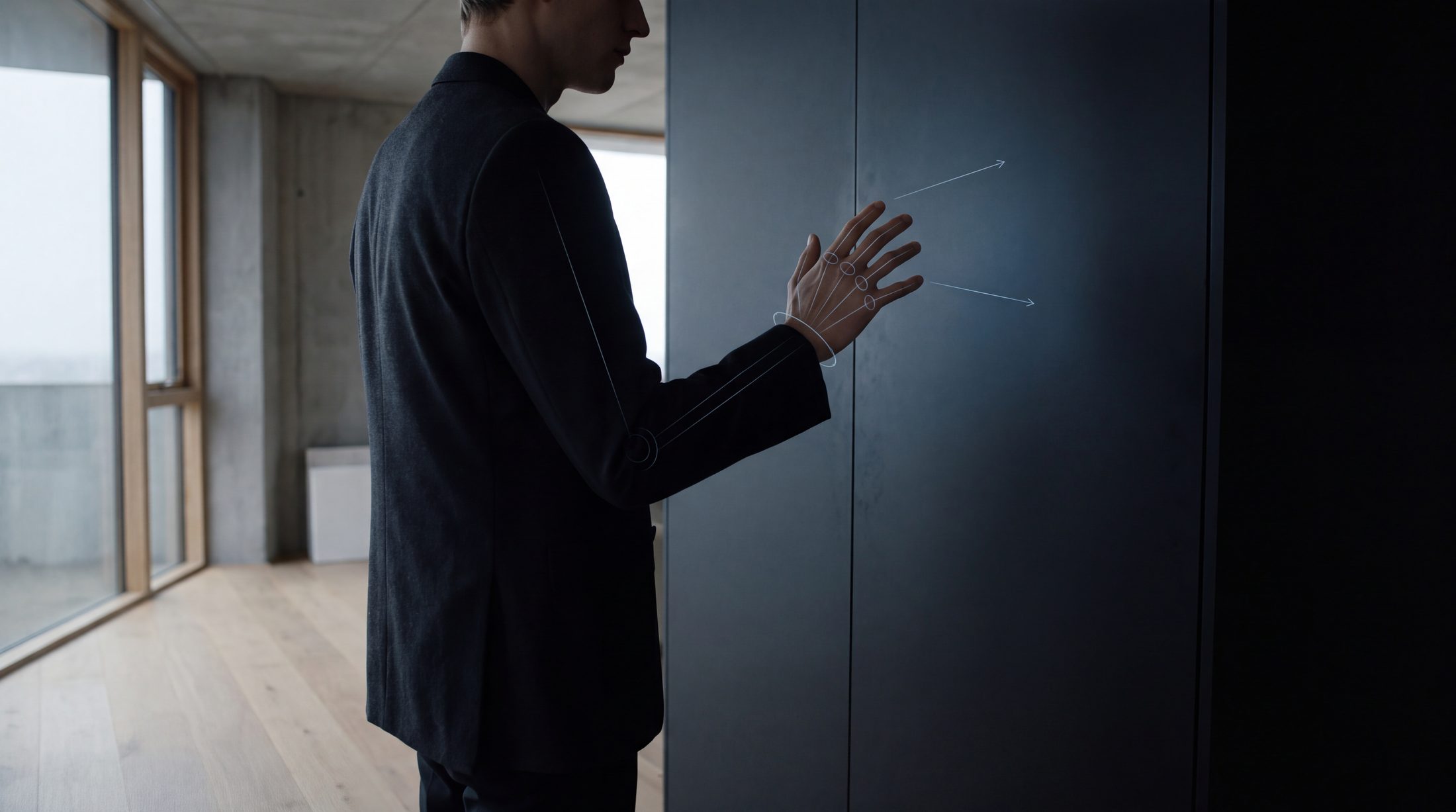
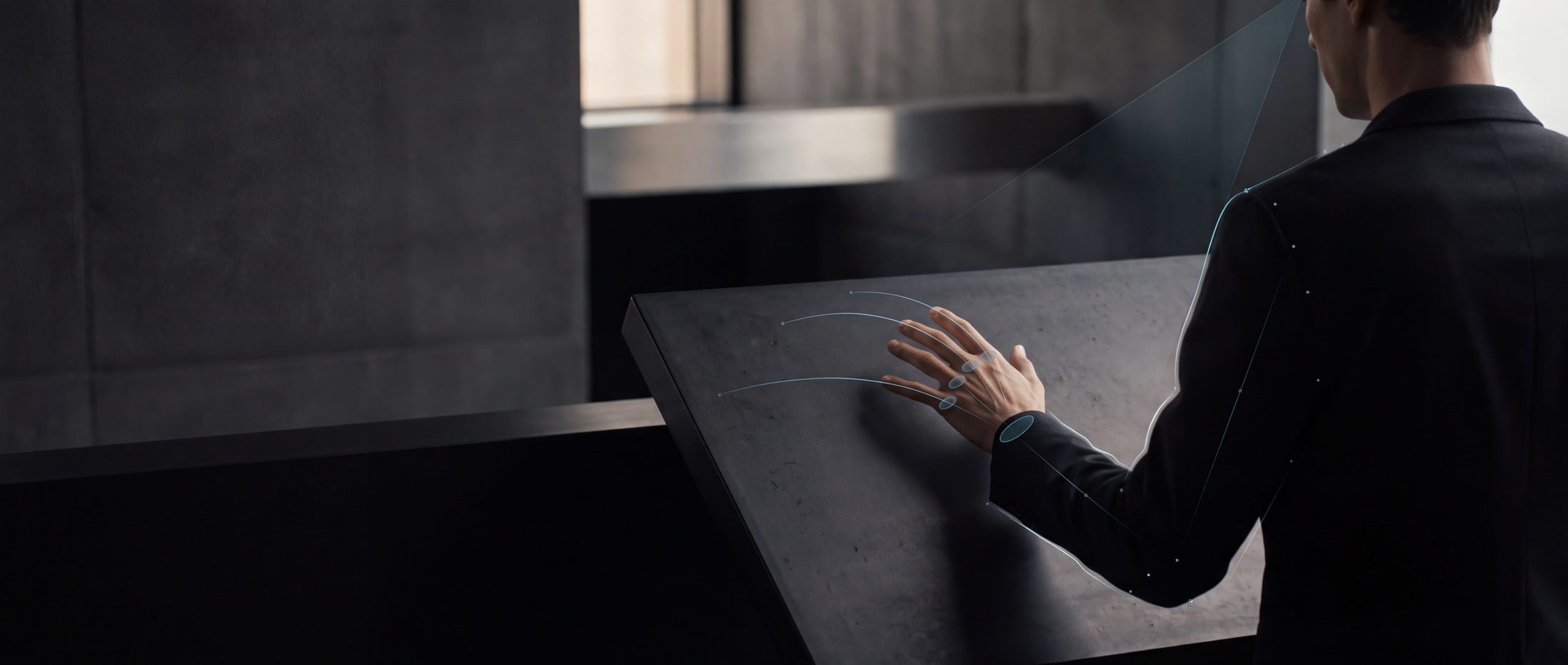
Gesture, movement and spatial input that remove the intermediary. No controller, no learned syntax — the machine meets the person on human terms.
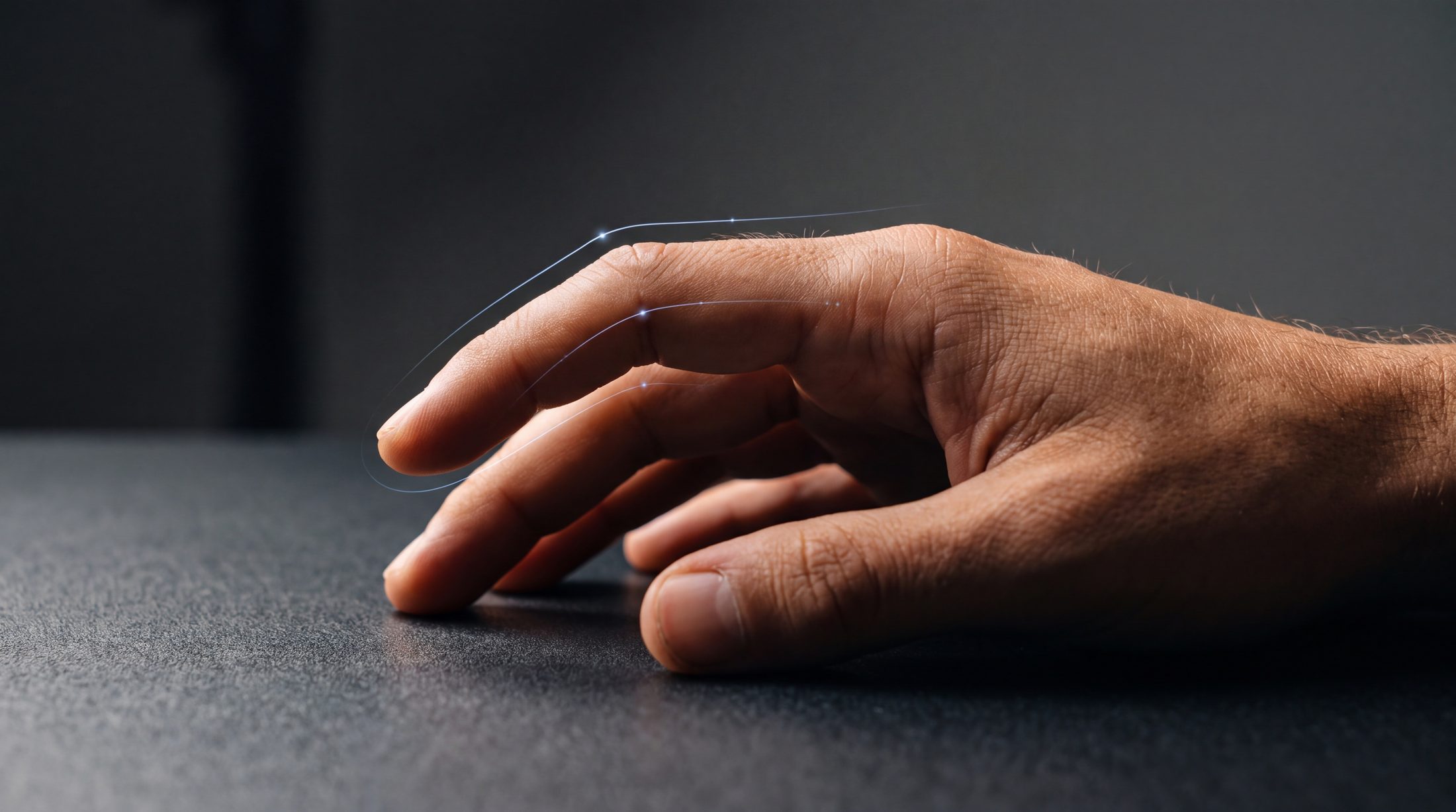
Models that extend the present forward — trajectory, posture and behavioural sequence — so that a system knows what happens next with usable confidence.
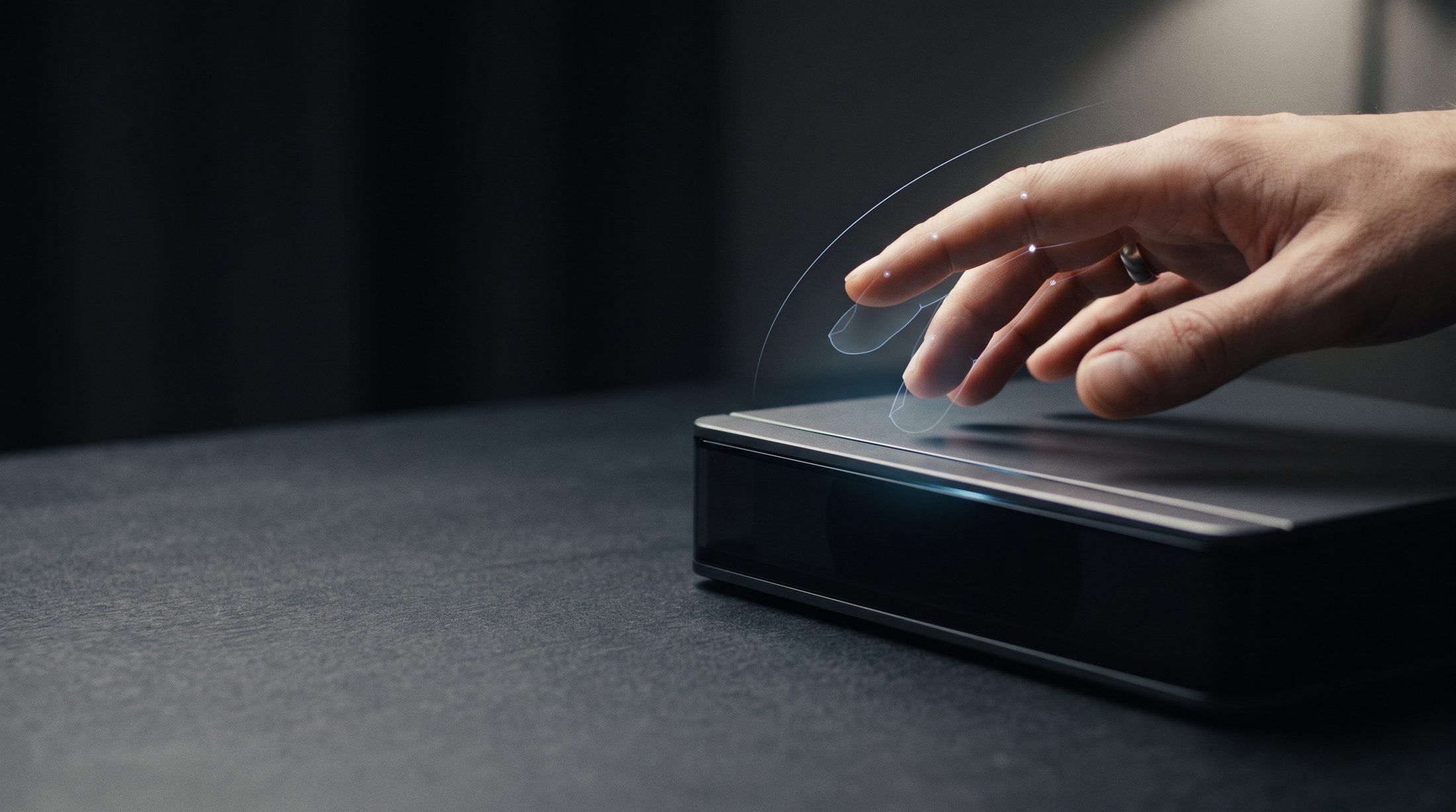
The hardest layer, and the most defensible. Intent is inferred from context, gaze, posture and history, and it is where human-centred AI stops reacting.
The same intelligence layer, applied where the cost of misunderstanding a human is highest.
Why intent
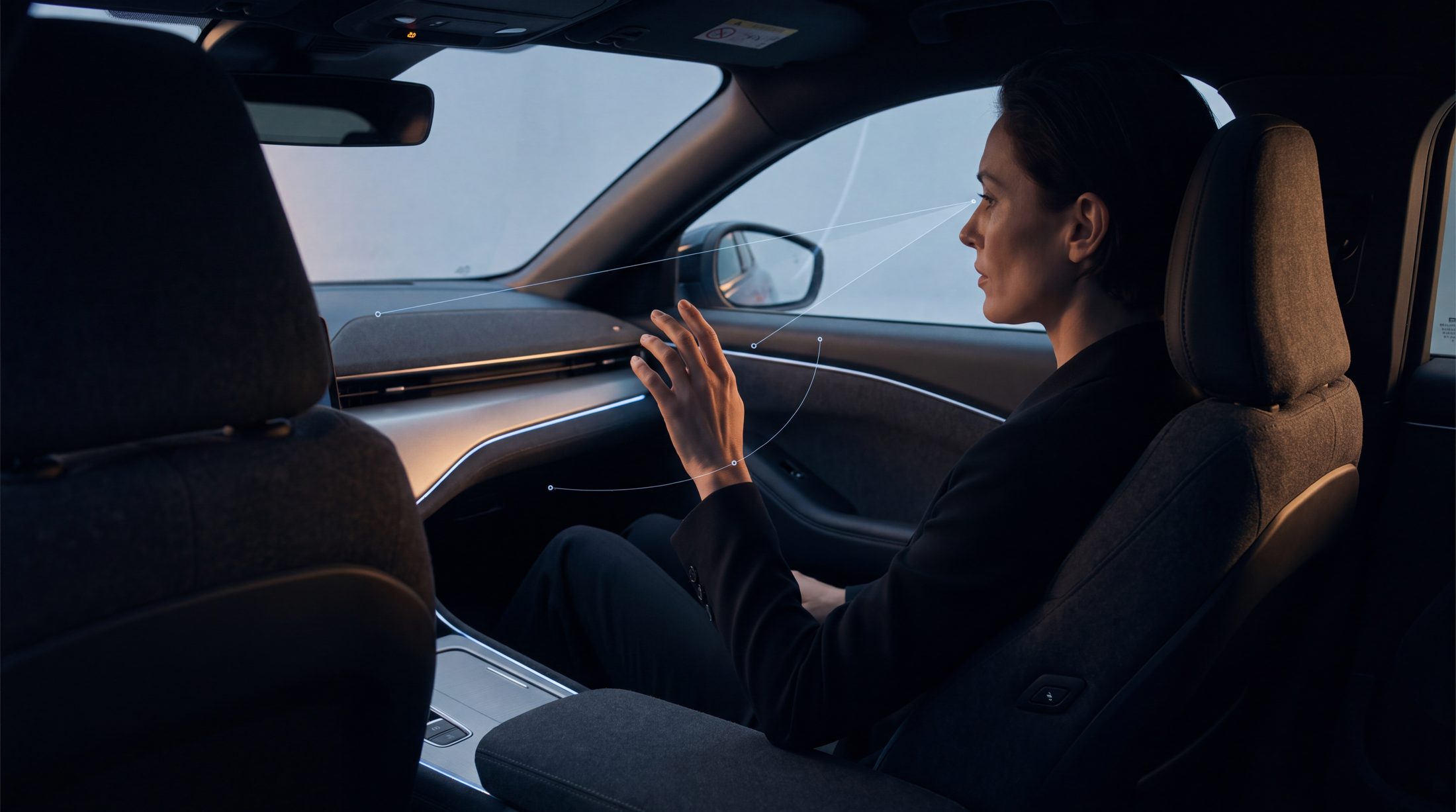
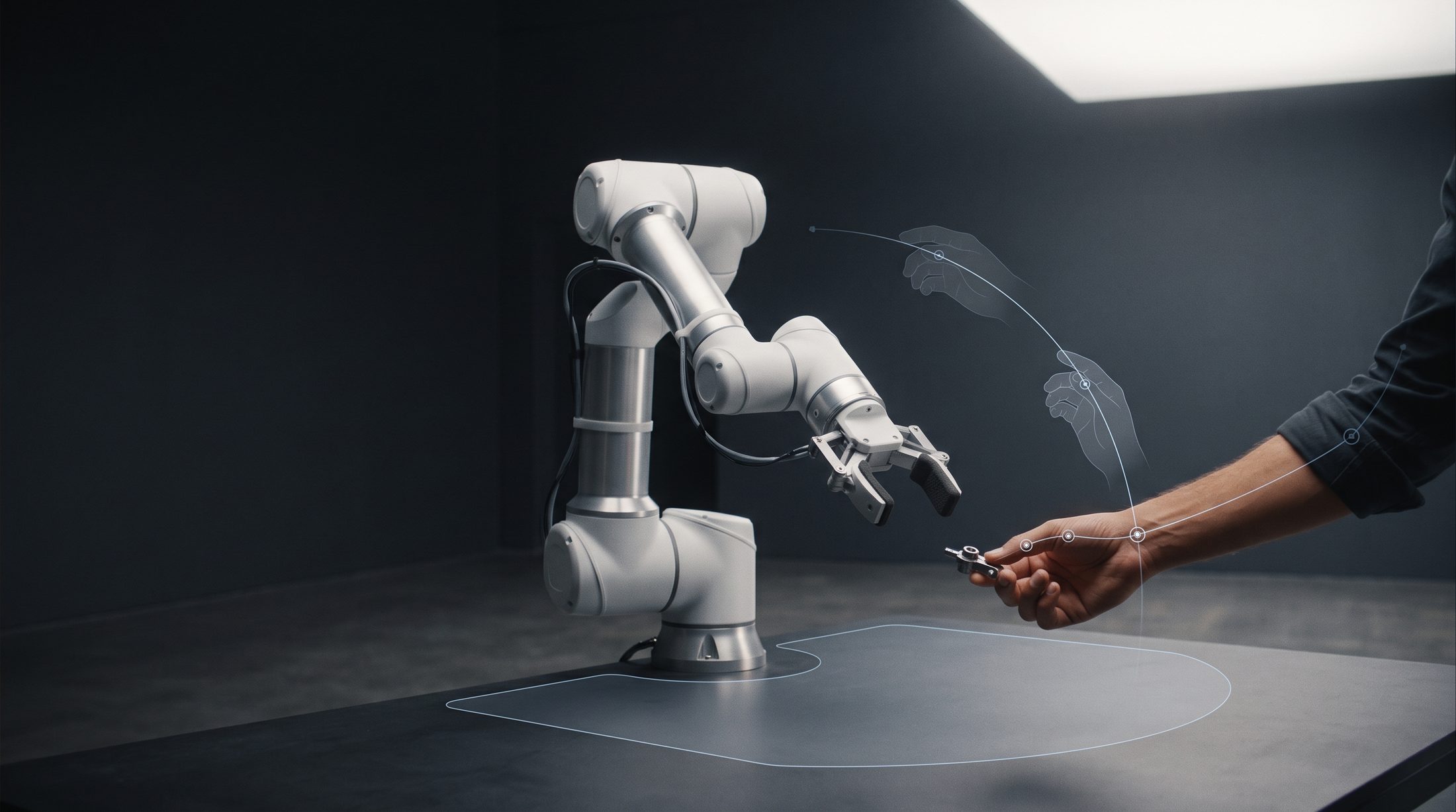
Every consequential interaction between a person and a machine is decided in the interval between decision and action. A vehicle that recognises a driver's attention only after it has lapsed. A robot that stops once the hand is already inside its envelope. A system that responds accurately, and a fraction of a second too slowly to matter.
Closing that interval changes the economics of safety, the feel of a product, and the ceiling of what autonomy can be trusted to do. Intent intelligence is not a refinement of the interface. It is the difference between a machine that serves a person and one that understands them.
Intenro partners with founders and acquires companies with differentiated technology, deep intellectual property and the potential to define the next generation of human–machine intelligence.
Deep technology rarely fails because it was wrong. It fails because a company with a decade of research reaches a market that requires distribution, capital and adjacent capability it was never built to assemble alone.
We acquire majority positions and hold them. There is no fund life, no exit clock and no pressure to dismantle a team that took years to form. Founders continue to lead their technology; what changes is the surface it can reach.
Within the group, portfolio companies share what genuinely compounds — data, sensing infrastructure, model architecture, safety validation, industrial and automotive relationships — and keep what makes them distinct.
Conversations are direct and technical from the first meeting. If there is no fit, we say so quickly, and in confidence.
Real invention with defensible IP — not an integration layer over someone else's models.
Deployed with demanding customers, where accuracy, latency and reliability are measured rather than claimed.
Technology whose subject is the person: their movement, attention, behaviour and intent.
Teams seeking scale and permanence, not an exit from their own work.
Capability that makes the rest of the group measurably stronger, and is made stronger by it.
Built where engineering rigour, industrial depth and a serious view of trust are native advantages.
06 — The thesis, in three lines
Integration
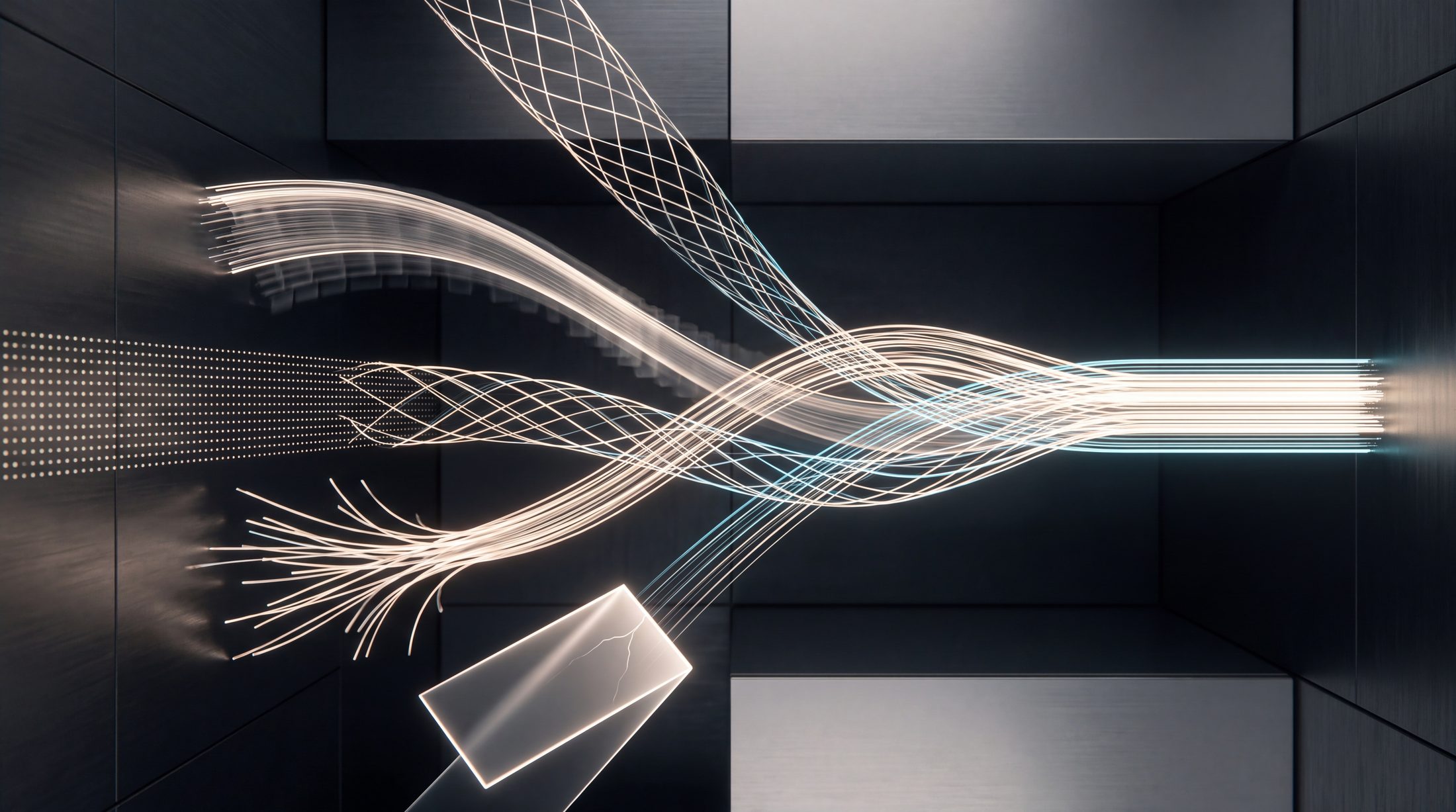
Perception, movement understanding, spatial intelligence and predictive modelling are being solved by different companies, in different industries, largely in isolation. Individually they are strong products. Assembled deliberately, they become an intelligence layer that no single company is positioned to build alone.
Intenro's role is that assembly: acquiring the parts that matter, keeping their teams intact, and compounding what they know.
Intenro is a European technology holding company. We acquire, invest in and develop AI companies working at the intersection of humans and machines — human intent prediction, computer vision, gesture and movement understanding, spatial intelligence, predictive industrial safety, intelligent interfaces, automotive interaction and physical AI.
We hold for the long term, operate with the discretion the work requires, and build one group whose companies make each other stronger.
08 — Contact
If you have built differentiated technology in perception, interaction, prediction or intent, we would like to understand it properly. Conversations are technical, direct and confidential — whether or not they lead anywhere.
partners@intenro.com